This article is part of our Kratom Guide. It looks at how Mitragyna speciosa has been used where it grows, which forms are sold today and how to judge their quality. It does not explain how to prepare or take kratom.

How kratom is used where it grows
Kratom is a tree from the coffee family, native to Southeast Asia. In southern Thailand and the northern states of Malaysia, agricultural workers chewed fresh leaves for generations, usually with the midrib removed. In Borneo, leaves were boiled into a tea known locally as ketum or biak-biak and shared during communal work or gatherings (Hassan et al., 2013; Vicknasingam et al., 2010).
These are social practices, embedded in work and village life. They are worth knowing about as cultural history. They are not a template for use in a different context.
The forms sold today
| Form | What it is | What to know |
|---|---|---|
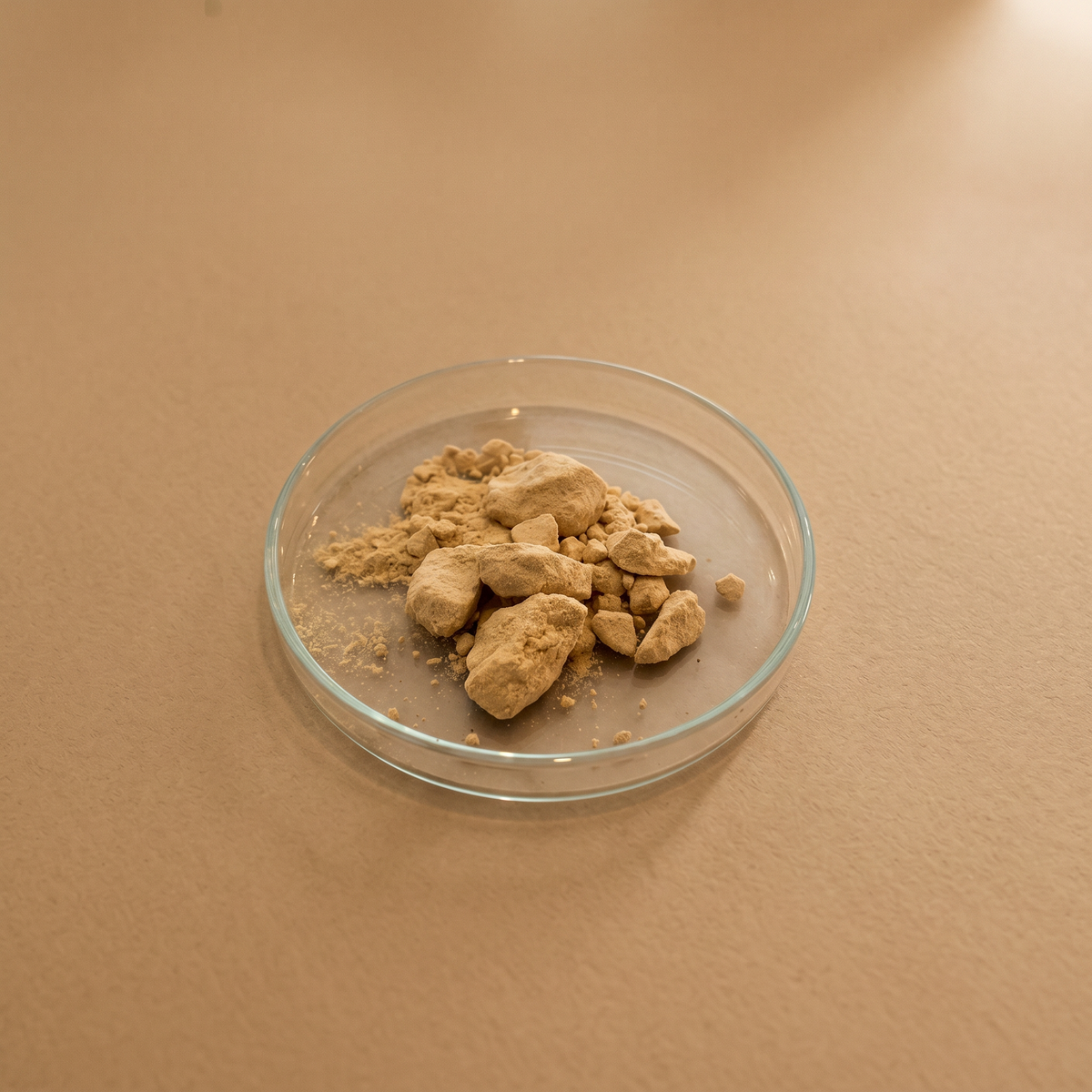
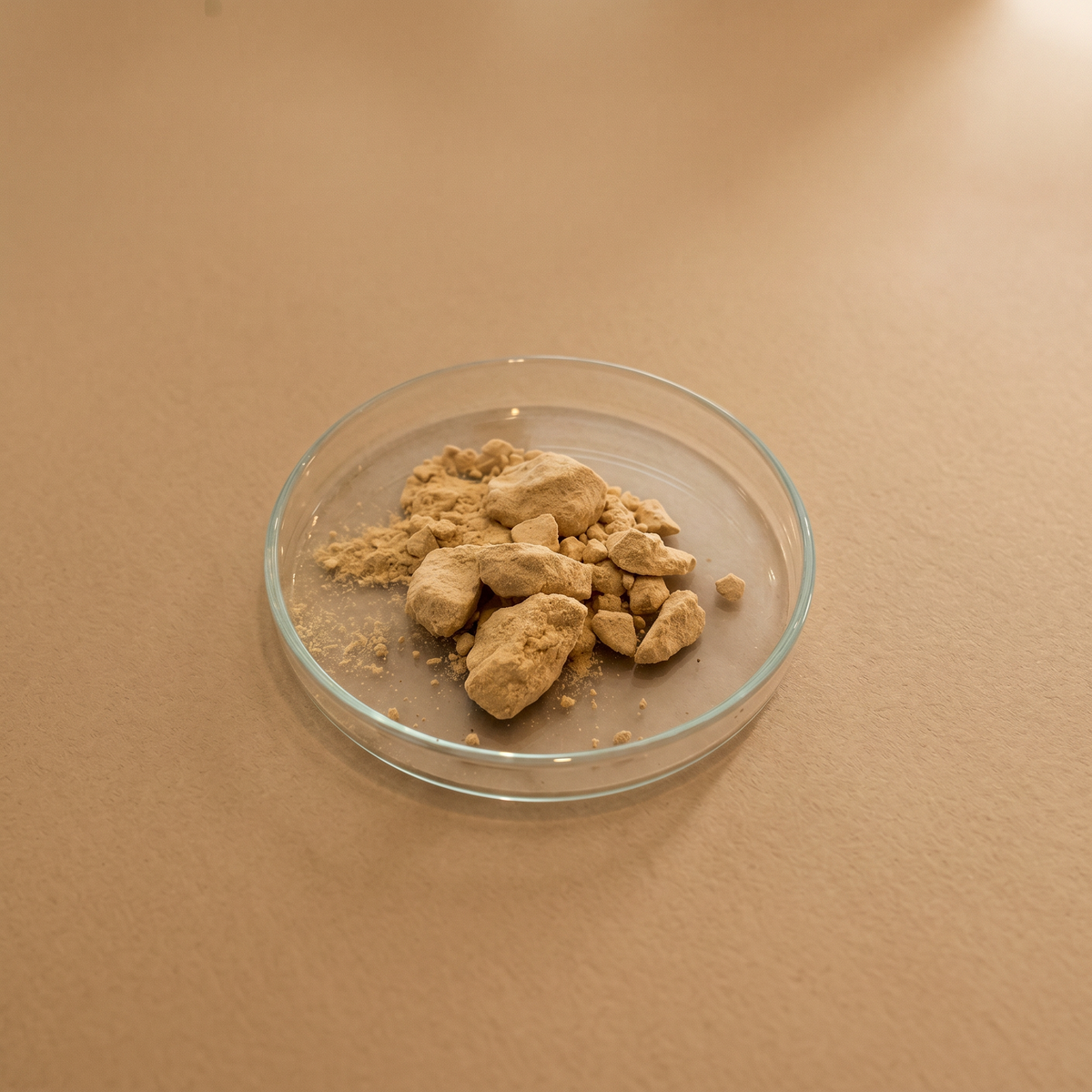
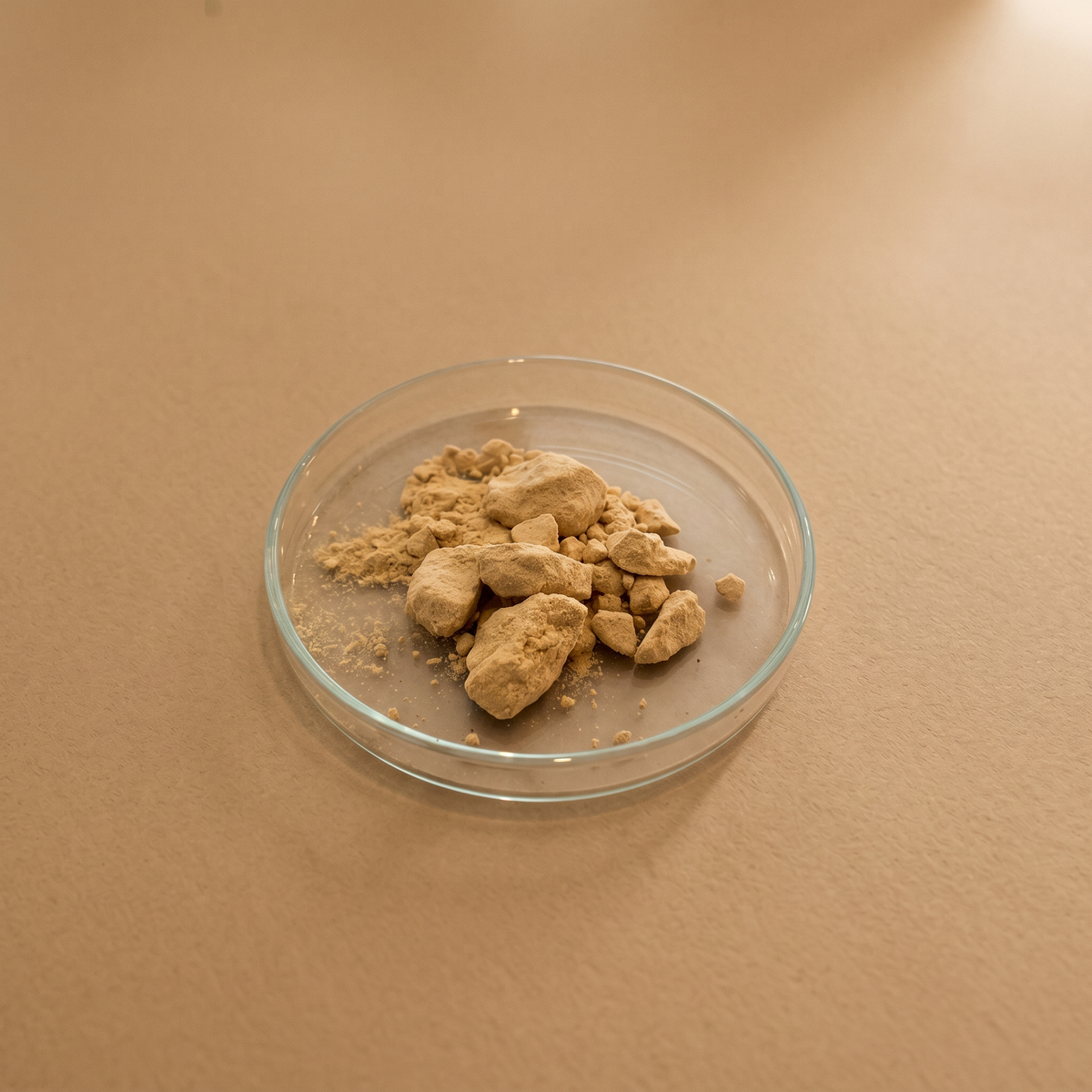
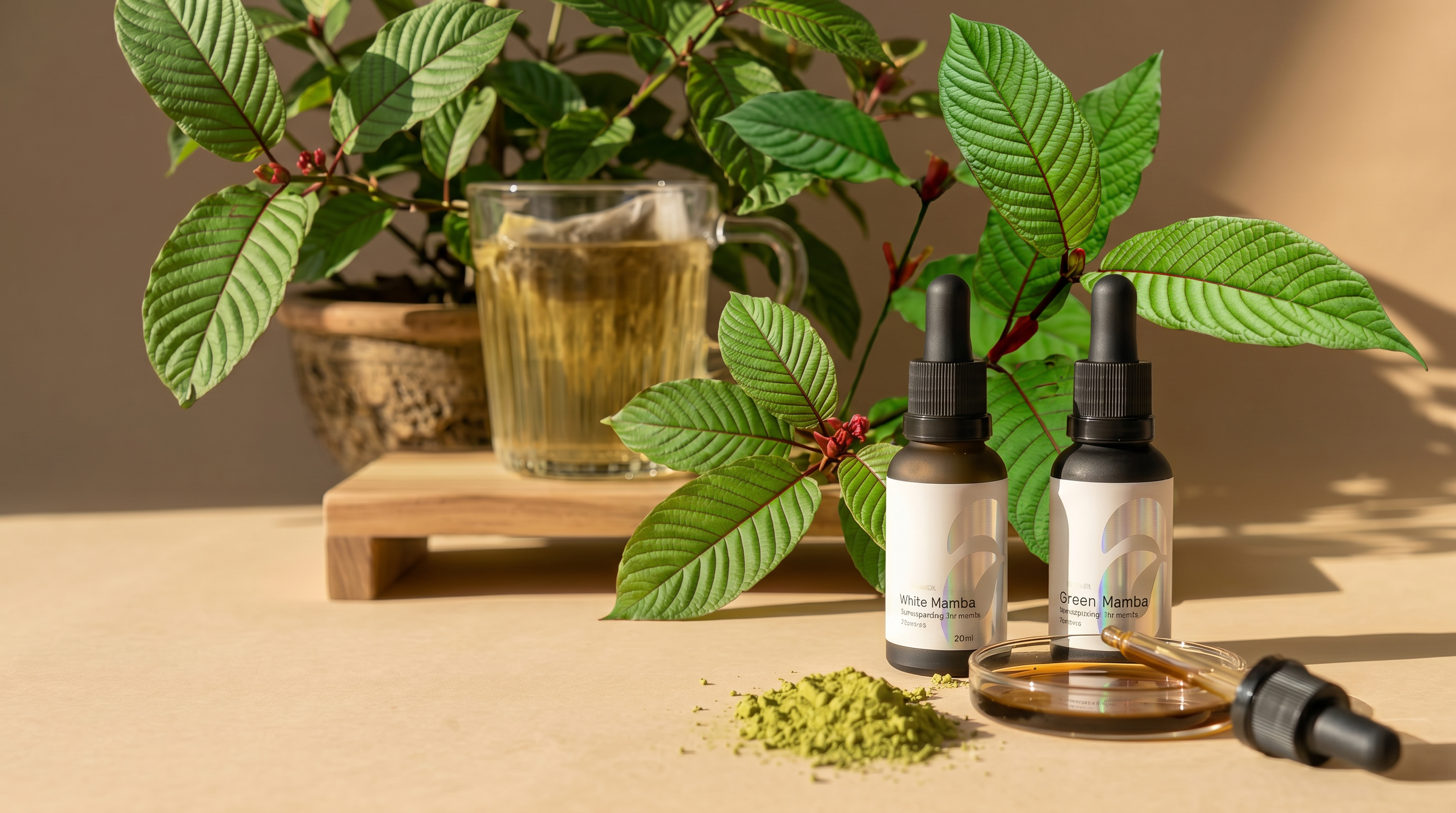
| Leaf powder | Dried, finely ground leaves | Closest to the raw plant. Alkaloid content depends on origin and harvest. |
| Capsules | Leaf powder in capsules | Same material, different packaging. |
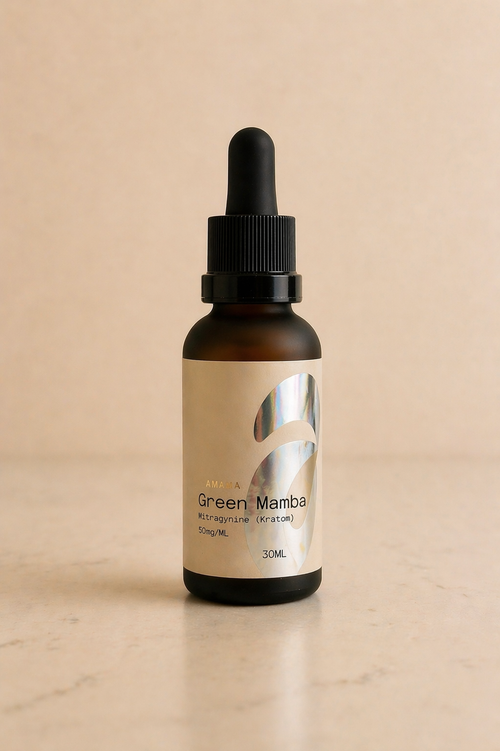
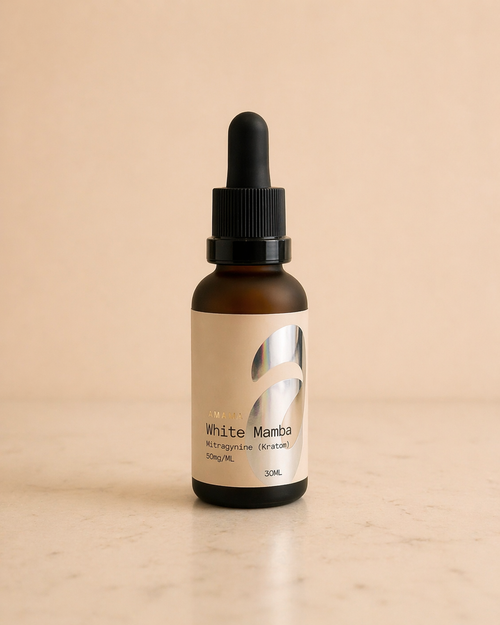
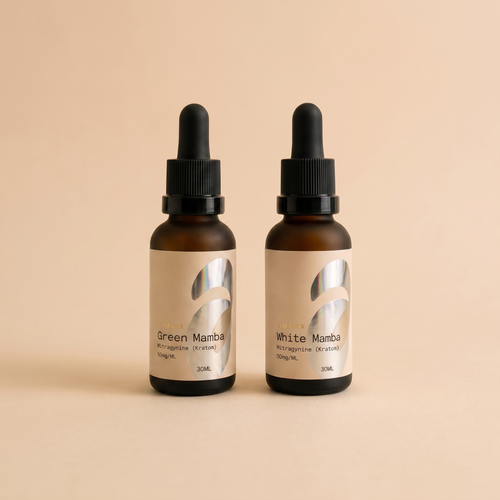
| Liquid extract | Concentrated alkaloids in liquid | Much stronger than leaf powder. Not interchangeable with it. |
The main alkaloid is mitragynine. A second one, 7-hydroxymitragynine, occurs in much smaller amounts but is considerably more potent. What "red", "green" and "white" mean is explained in Kratom Strains. How extracts are made: Kratom Extract Explained.
How to recognise quality
- Botanical name Mitragyna speciosa, origin and batch number on the label.
- For extracts: the stated concentration and how it was determined.
- Lab analysis for alkaloids and contaminants such as heavy metals or microbes, where available.
- Colour and smell: rich green to olive green, no musty smell.
Storage and shelf life
Mitragynine is sensitive to light, heat, oxygen and moisture. Store kratom airtight, dark, cool and dry, not in the bathroom or near the stove. Stored this way, leaf powder usually stays stable for one to three years. For liquid extracts, the shelf life is on the label.
What research says about risks
A study of regular users in Malaysia documented dependence, withdrawal symptoms and craving (Singh et al., 2014). The World Health Organization reviewed kratom in 2021 and pointed to the risk of dependence and to adverse events, often in combination with other substances (WHO, 2021). Kratom should not be combined with alcohol, opioids, benzodiazepines or other sedating substances, and is not suitable during pregnancy, while breastfeeding or for minors. If you take medication, speak to a doctor first.
Legal status
As of 10 November 2026, kratom and mitragynine are not listed in the German Narcotics Act (BtMG) or the New Psychoactive Substances Act (NpSG). Several other countries restrict or ban kratom. Details: Kratom Legal Status in Germany and our NpSG Monitor.
Further reading
Sources
- Hassan, Z., Muzaimi, M., Navaratnam, V., et al. (2013). From Kratom to mitragynine and its derivatives: Physiological and behavioural effects related to use, abuse, and addiction. Neuroscience & Biobehavioral Reviews, 37(2), 138–151.
- Singh, D., Müller, C. P., & Vicknasingam, B. K. (2014). Kratom (Mitragyna speciosa) dependence, withdrawal symptoms and craving in regular users. Drug and Alcohol Dependence, 139, 132–137.
- Vicknasingam, B., Narayanan, S., Beng, G. T., & Mansor, S. M. (2010). The informal use of ketum (Mitragyna speciosa) for opioid withdrawal in the northern states of peninsular Malaysia. International Journal of Drug Policy, 21(4), 283–288.
- World Health Organization (2021). Expert Committee on Drug Dependence: Critical Review Report, Kratom (Mitragyna speciosa), mitragynine and 7-hydroxymitragynine. Geneva: WHO.
Updated 10 November 2026. Botanical and cultural information, not medical advice and not an invitation to consume.